
Most people get one New Year a year, but the Jewish people are the chosen ones, so we get two. One in January, and one in September when the High Holidays roll around. It’s like the universe decided we needed a second chance. But instead of champagne and watching a glittery ball drop, we get hours of prayer, days of reflection, and the unique spiritual challenge of awkwardly humming along to melodies we only half remember because we only do them every 364 days.
Rosh Hashanah, the Jewish New Year, is our official reset button.
A chance to start again, to hope for sweet things, and to look honestly at the ways we have fallen short. As kids, this didn’t take much effort because we were too young to be expected to carry much guilt. Maybe you teased your sibling or didn’t clean your room, but these were all minor things.
As adults, the list of ways we have messed up could take all ten days of the season to work through. Which is convenient, since the time between Rosh Hashanah and Yom Kippur (the Days of Awe) is precisely for that. Pausing to reflect, repair relationships, and make amends.
Then comes the big one, Yom Kippur. The Day of Atonement.
The ultimate spiritual mic drop. According to tradition, this is the moment our fate for the year ahead gets sealed. The stakes feel impossibly high. Just like Eminem says, you only get one shot. You get one chance to apologize, to reset, to start clean before the metaphorical gates close. The universe gives us a bonus New Year, yes, but only a single shot at atonement, and we can’t miss this opportunity. No pressure.
Of course, all of this takes on a very different flavor once you add kids into the mix. In theory, the High Holidays are about spirituality, introspection, and reconnection. For parents, it’s also about logistics. Schools don’t exactly clear the calendar for Jewish families. Every September, we begin with the delicate dance of sending teachers and administrators our excused holiday list, which is basically a polite heads-up that our kids will miss class, assignments, and possibly a scheduled test. Then we have to remind them the day before as well, so our kids can get their assignments and do them between family time and meals. Can you imagine getting a math lesson on Christmas for a test on the 26th? And just when you have survived the scheduling chaos, your child turns to you and groans, “Do we HAVE to go? Can’t we just sleep in?”








The irony is that these holidays aren’t about being comfortable.
They are about showing up, even imperfectly. Rosh Hashanah may be about joy and hope, but parents know it also means cooking enough food to feed a small army, making last-minute grocery runs, and trying to time a brisket so it’s both tender and ready before guests arrive.
Meanwhile, Yom Kippur is about repentance and fasting. But for us parents, we are still making breakfast, snacks, and lunches for the kids. Nothing makes a fasting parent hungrier than buttering toast for a child who insists they are starving even though they ate pancakes ten minutes ago.
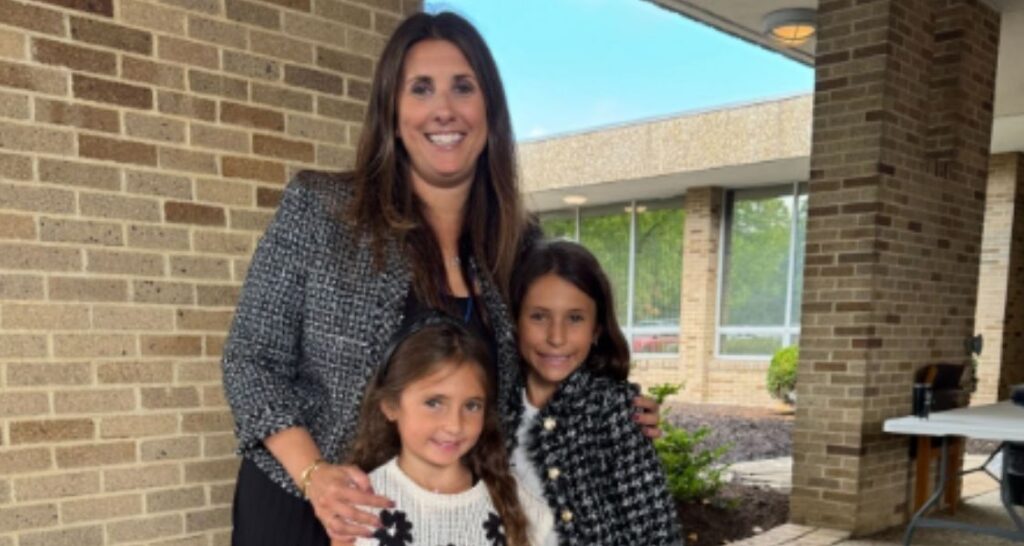
Author and her Daughters Before Rosh Hashana Services
There’s also the art of keeping children occupied through long services.
You quietly pray that the snacks you packed will last, that no one notices your child sneaking a contraband granola bar, and that you can make your child stay seated during kids’ services and quiet during the duration of the adult services. You can’t have them talking louder than the rabbi or the shofar.
Somewhere in between shushing them and flipping through the prayer book, you try to squeeze in a moment of reflection yourself.
And inevitably, something goes sideways. A forgotten homework packet, a sibling fighting mid prayer, or even a loud tearing of their snack, so everyone turns around and looks at them. The High Holidays, in their own way, remind us that life is messy, unpredictable, and rarely picture perfect.
Maybe that’s the whole point.
We don’t atone because we are flawless; we atone because we are human. The High Holidays remind us that growth isn’t neat or linear.
It’s about trying, fumbling, and laughing through the chaos.
This year, may your apples be crisp, your honey sticky, your kids mostly cooperative, and your reflections deep enough to carry you not just until the next bonus New Year, but at least until after school pickup. Because in the end, that’s what these holidays give us: a chance to pause, reset, and remind ourselves that even when life is hectic, there’s beauty in showing up, hungry, tired, imperfect, but still willing to try again.